
Research
How we built
our sitting data
LENIF’s technology starts by reading, as data, what the body goes through while seated. Here is the research that keeps that reading accurate in real rooms — and the field perspectives that shaped it.
01 · LiDAR posture inference
Steady even when
the room changes
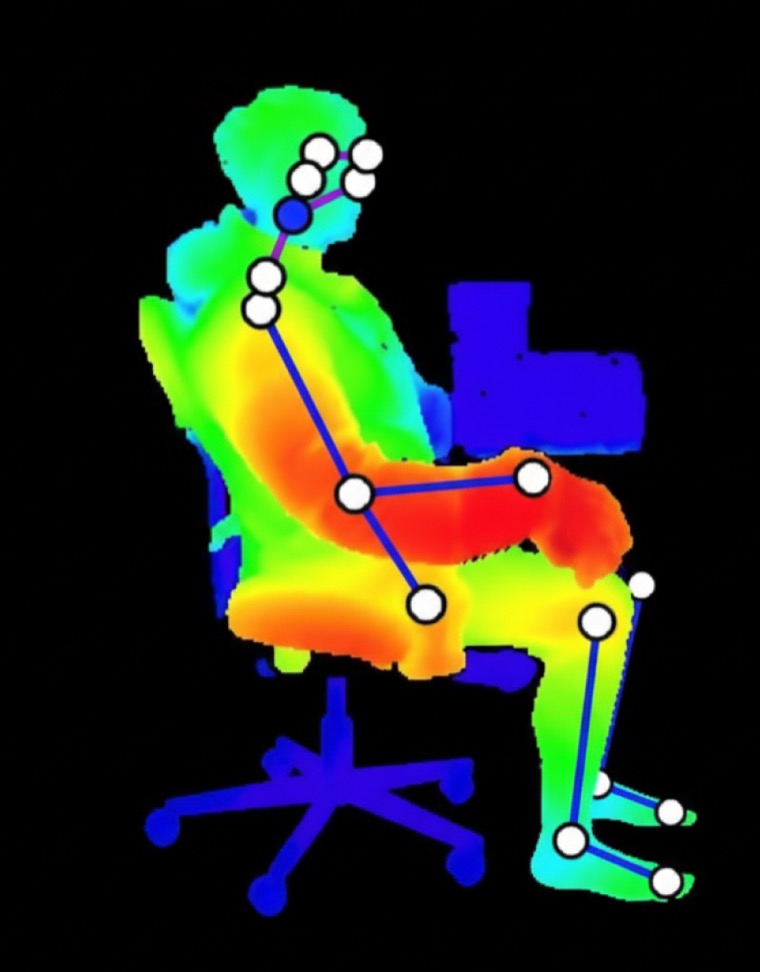
Change the lighting, move the furniture, shift the sitting angle — and posture inference falls apart. A model that only holds in a lab is of no use in a real space.
We drew on large-scale human data captured by automotive LiDAR and moved it into the problem of reading seated posture. Data was built together with AIMMO.
The model was re-established so inference holds up across changes in lighting, layout and occlusion. It later carried into sensing-module integration with furniture makers.
02 · Field review & technology transfer
Keeping the model’s reading
in line with field judgement
The record below relates to Posebit, our posture-inference service. It has no bearing on any medical efficacy of LENIF chairs, LENIF products are not medical devices, and it does not imply endorsement by any institution or specialist.
Our musculoskeletal fatigue estimation model was reviewed by an orthopedic specialist, and that feedback was reflected in how the index is designed. The results were presented at the Korean Academy of Rehabilitation Medicine autumn conference.
K-Bio Health Regional Center Program (operated by Seoul National University Bundang Hospital) — participating company · The review reflects the specialist’s individual opinion, not the view of their institution.
April 2024 — signed a technology transfer agreement with the R&D Business Team of Asan Medical Center.
Programs carried out
Data Voucher Program
K-Bio Health Regional Center Program